
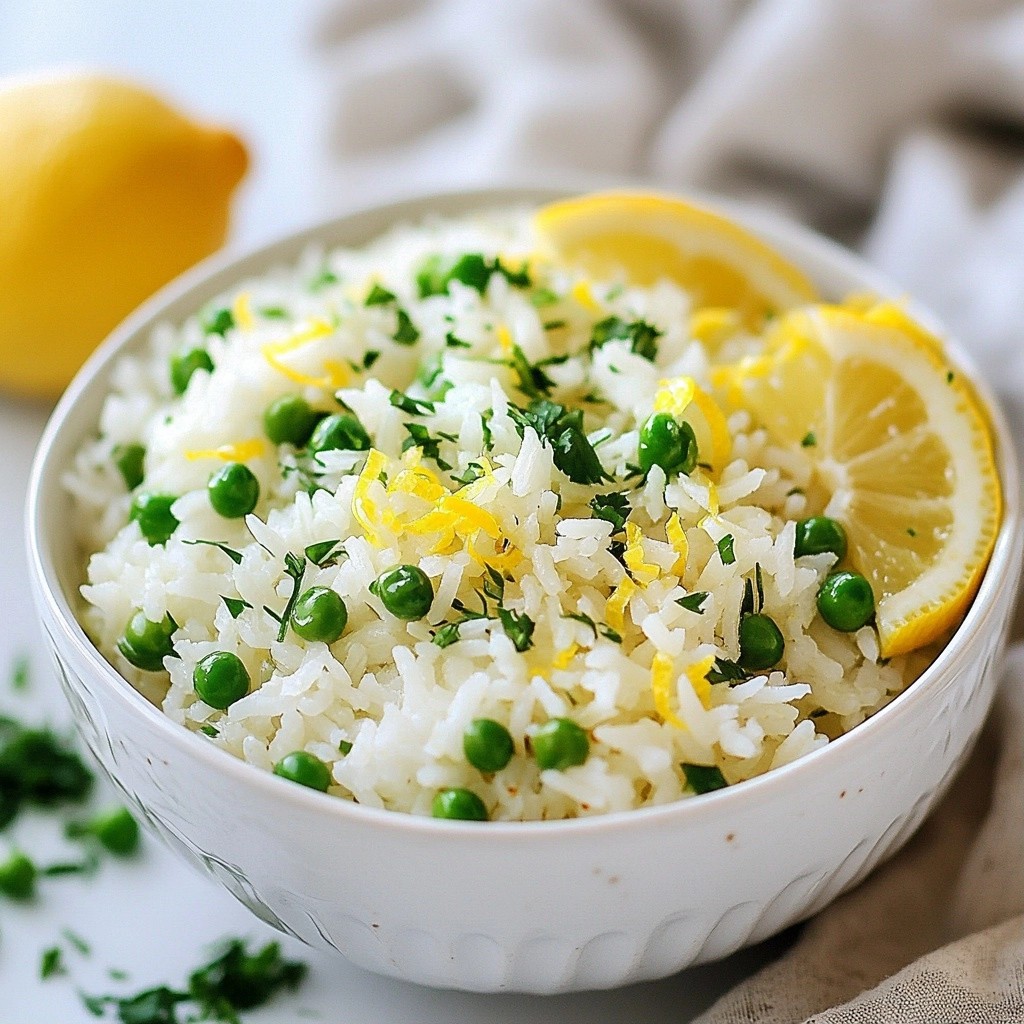
Are you ready to spice up your dinner routine? This Savory Slow Cooker Lemon Herb Rice Pilaf is a game changer. It’s easy to make and packed with flavor! Imagine a blend of fragrant herbs and zesty lemon, all cooked to perfection in your slow cooker. In this article, I’ll walk you through the simple steps to create this delicious dish that will impress your family and friends. Let’s get started!
Ingredients
Essential Ingredients for Lemon Herb Rice Pilaf
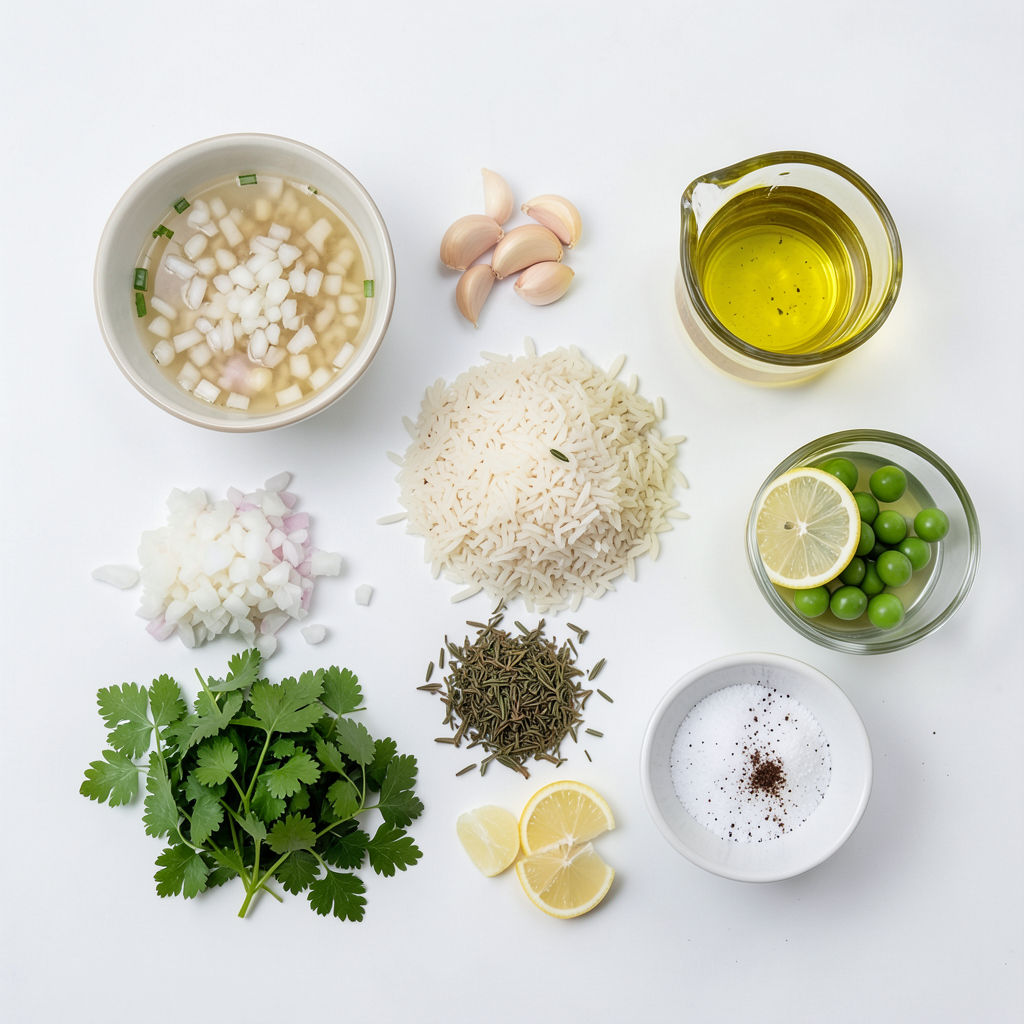
To make this tasty lemon herb rice pilaf, you need:
- 2 cups long-grain rice (like basmati or jasmine)
- 4 cups vegetable broth
- 1 medium onion, finely chopped
- 2 garlic cloves, minced
- 1 tablespoon olive oil
- Salt and pepper to taste
These ingredients create a base full of flavor. The rice absorbs the broth and gets nice and fluffy.
Key Herbs and Seasonings
The herbs and seasonings bring life to your rice pilaf. You will need:
- 1 teaspoon dried thyme
- 1 teaspoon dried oregano
- Zest of 1 lemon
- Juice of 1 lemon
Dried thyme and oregano add a warm, earthy taste. The lemon zest and juice give a bright, fresh kick.
Optional Garnishes and Add-ins
If you want to make your pilaf even better, consider these add-ins:
- 1 cup frozen peas
- 1/2 cup chopped fresh parsley
The peas add a pop of color and sweetness. Fresh parsley offers a nice crunch and flavor. You can also add lemon slices for garnish. They make the dish look lovely and inviting.
Step-by-Step Instructions
Preparing the Base: Sautéing Onions and Garlic
Start by heating olive oil in a pan over medium heat. Add chopped onion and cook until it turns clear, which takes about five minutes. Then, add minced garlic for one to two minutes until it smells good. This step builds a tasty base for your pilaf.
Combining Ingredients in the Slow Cooker
In your slow cooker, mix the sautéed onions and garlic with the rice. Pour in the vegetable broth and add dried thyme, oregano, lemon zest, lemon juice, salt, and pepper. Stir well to make sure all the rice is coated. This mix creates a flavorful dish.
Cooking Time and How to Know When It’s Done
Cover the slow cooker and set it to low heat. Let it cook for three to four hours. The rice is done when it is soft and the broth is absorbed. About 20 minutes before serving, add frozen peas. Stir gently but well. Once finished, fluff the rice with a fork and mix in chopped parsley for color and taste.
Tips & Tricks
Perfecting the Fluffiness of Rice
To make your rice fluffy, rinse it first. Rinsing removes excess starch. This helps each grain stay separate. After cooking, let the rice rest for a few minutes. Then, fluff it gently with a fork. This keeps the texture light and airy.
Infusing More Flavor into the Dish
To boost flavor, try adding fresh herbs. Fresh thyme or oregano makes a big difference. You can also use vegetable broth instead of water. For a zing, add more lemon zest or juice. A splash of white wine can add depth too.
Adjusting for Dietary Preferences (e.g., vegan options)
This recipe is already vegan-friendly. To keep it that way, ensure your broth is plant-based. You can add more vegetables, like bell peppers or carrots, for variety. Check your seasonings to avoid animal products. This keeps everyone happy at the table.
Variations
Adding Proteins: Chicken or Shrimp Options
You can make this rice pilaf heartier by adding protein. Chicken or shrimp work great. For chicken, use boneless, skinless thighs or breasts. Cut the chicken into small pieces. Add it to the slow cooker with the other ingredients. Cook for 3 to 4 hours on low heat until the chicken is tender. If you prefer shrimp, add it in the last 20 minutes of cooking. This way, the shrimp stays juicy and tender.
Different Grain Options: Quinoa or Barley
Want to switch things up? Try different grains! Quinoa is a great choice. It cooks quickly and adds a nutty flavor. Swap out the rice for 2 cups of rinsed quinoa. Use the same vegetable broth and follow the same cooking time. Barley is another option. It gives a chewy texture. Use 2 cups of pearl barley and increase the cooking time to about 5 hours. Both of these grains will make your meal unique.
Experimenting with Seasonal Vegetables
Seasonal vegetables can add color and flavor to your rice pilaf. In spring, try asparagus and bell peppers. In summer, add zucchini and corn. In fall, squash and carrots shine. Chop your chosen veggies and add them in the last hour of cooking. This keeps them fresh and bright. Not only do they enhance the dish, but they also give you more nutrients. Don’t be afraid to mix and match based on what you have!
Storage Info
How to Store Leftovers Properly
To keep your lemon herb rice pilaf fresh, let it cool first. Once cool, transfer it to an airtight container. Make sure to seal it tightly to keep out air. Store it in the fridge for up to four days. If you notice any off smells, it’s best to discard it.
Reheating Instructions for Best Results
When you want to enjoy your leftover rice pilaf, reheat it gently. You can use a microwave or stovetop. If using the microwave, place the rice in a bowl, add a splash of broth or water, and cover it. Heat in short bursts, stirring in between. On the stovetop, warm it in a pan over low heat, stirring often to avoid sticking.
Freezing Tips for Long-term Storage
If you want to keep the pilaf longer, freezing is a great option. Portion the rice pilaf into freezer-safe bags or containers. Remove as much air as possible before sealing. Label the bags with the date. You can freeze it for up to three months. When ready to eat, thaw it overnight in the fridge, then reheat as mentioned above.
FAQs
Can I use brown rice instead of white rice?
Yes, you can use brown rice. Brown rice adds a nutty flavor and more fiber. However, it needs more cooking time. I suggest cooking it for 5 to 6 hours on low. Also, increase the liquid to 4.5 cups. This helps keep the rice tender and flavorful.
What can I substitute for vegetable broth?
You can use chicken broth or water as a substitute. Both options work well in this recipe. If you want extra flavor, add herbs or spices to the water. For a unique taste, try using mushroom broth. It gives a rich and earthy taste to the pilaf.
How do I keep the rice from becoming mushy?
To keep the rice fluffy, measure your liquid carefully. Use the right rice-to-liquid ratio. Stir gently only when needed. Avoid overcooking; check for tenderness at the 3-hour mark. Letting the rice rest after cooking helps it firm up. Fluff it gently with a fork before serving.
In this post, we explored how to make lemon herb rice pilaf. We discussed key ingredients, step-by-step cooking, and tips for perfect rice. We shared variations and storage tips for leftovers.
Rice pilaf is easy and tasty. You can adjust it to fit your needs. Enjoy experimenting with flavors and ingredients. This dish will surely impress at any meal.